
East Bali Tour: A Journey Through Royal Palaces, Beaches, and Sacred Temples
East Bali is one of the most enchanting regions on the island, offering a blend of royal heritage, natural beauty, ancient temples, and peaceful coastal scenery. Unlike South Bali, which is known for its lively nightlife, beach clubs, and modern attractions, East Bali presents a slower, more tranquil rhythm—one that invites travelers to explore quietly, observe deeply, and appreciate the timeless beauty of Bali’s landscapes and cultural traditions.
A full-day East Bali Tour allows you to experience all of this in one unforgettable journey. From the majestic water palaces built by Balinese royalty to breathtaking hilltop viewpoints and hidden white-sand beaches, this tour represents a perfectly curated balance of history, culture, nature, and relaxation. Whether you’re a photography lover, a cultural explorer, or simply someone who seeks calm and scenic places, East Bali offers something extraordinary.
A Gateway to Bali’s Royal Heritage
Your journey into East Bali often begins at Taman Ujung (Ujung Water Palace), one of the region’s grandest historical landmarks. Built in the early 1900s by the Karangasem Royal Family, this architectural masterpiece blends Balinese, Dutch, and Chinese design influences. The palace was originally created as a place for royal recreation as well as a ceremonial site for receiving important guests.
The large reflecting pools, stone bridges, and pavilions surrounded by lush gardens all create an atmosphere of serenity. With Mount Agung rising powerfully in the background on a clear day, Taman Ujung becomes one of the most picturesque locations in Bali. Visitors can walk across the long bridges, explore the central pavilion, or hike up the small hill beside the palace for a panoramic view of the entire complex. From above, the symmetry of the pools and the architectural details appear even more striking. It’s no surprise that Taman Ujung has become a favorite spot for photography enthusiasts and pre-wedding photoshoots.
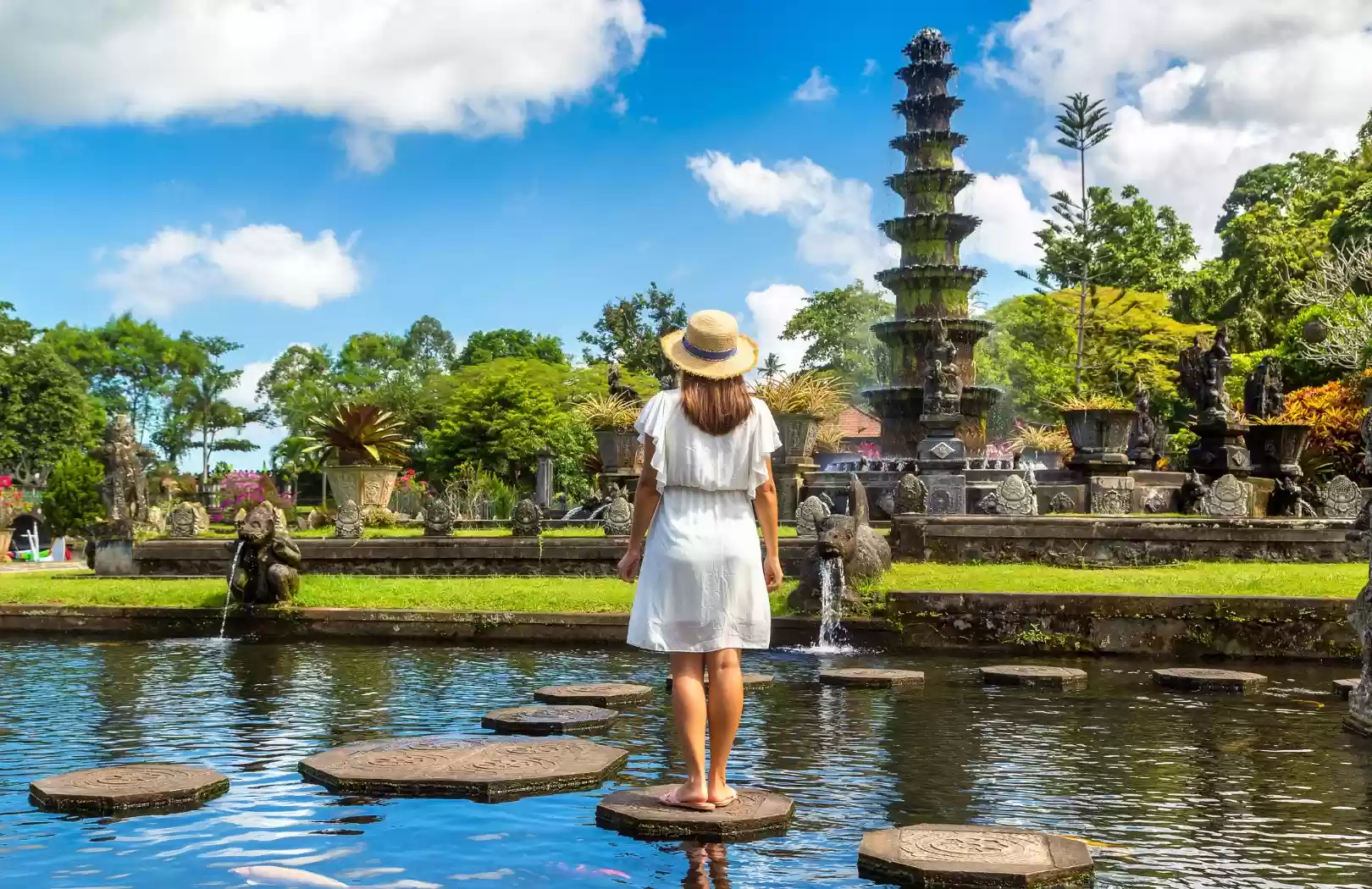
A short drive from Taman Ujung leads you to another iconic water palace: Tirta Gangga. Known for its koi-filled ponds and stepping stones, Tirta Gangga was once a royal bathing complex built by the same Karangasem King. The name means “Water of the Ganges,” referring to the sacred river in Hindu mythology. The complex consists of tiered fountains, fresh spring pools, carved stone statues, and beautifully landscaped gardens. Travelers often enjoy walking on the stepping stones placed across the ponds, allowing them to stand just inches above the water while colorful fish swim below.
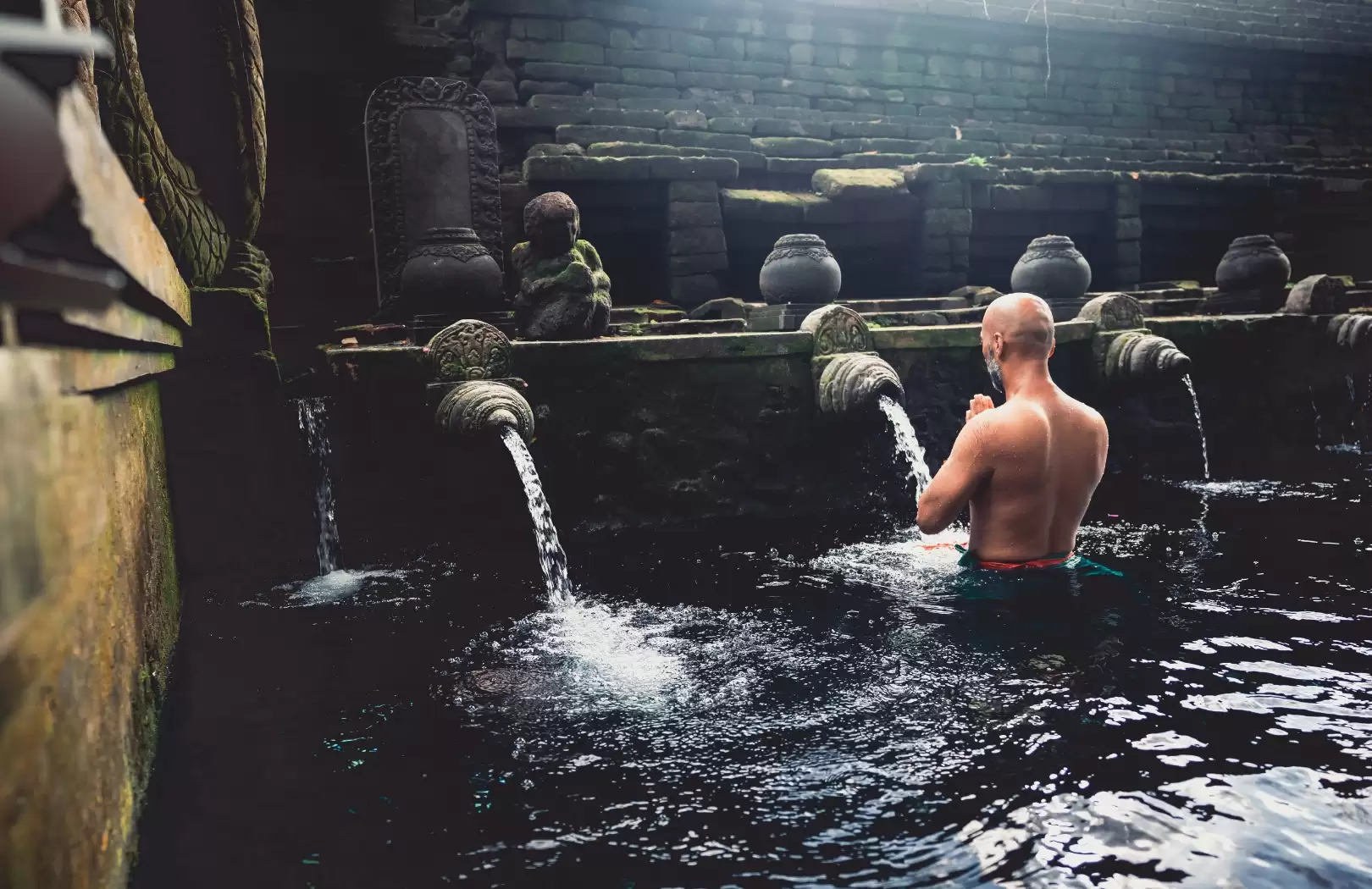
Tirta Gangga symbolizes purity and spiritual harmony. The cool, clear water that flows through the pools is sourced from a natural spring believed to hold purifying energy. Many locals still come here for ceremonial baths or prayer rituals during special auspicious days. For visitors, the water palace offers a peaceful retreat—a place to slow down, breathe deeply, and enjoy the calmness that water brings.
The Coastal Charm of Virgin Beach and Bias Tugel
While many areas of Bali attract large crowds, East Bali remains quieter, especially along the coastline. After exploring the water palaces, the tour typically continues toward some of the region’s most beautiful beaches, starting with Virgin Beach (also known as Pasir Putih Beach). The name itself reflects its natural character—clean, untouched, and serene. The sand here is lighter than in many other parts of Bali, creating a peaceful atmosphere that feels far away from the busy tourist hubs.
Virgin Beach is perfect for swimming, sunbathing, or simply relaxing under the shade of a beach umbrella. Small local warungs line the coastline, offering fresh grilled fish, coconut drinks, and simple Balinese dishes. Compared to heavily commercialized beaches, Virgin Beach feels authentic and tranquil—a perfect escape for travelers seeking a slower pace.
Nearby, you’ll also find Bias Tugel Beach, a hidden gem known for its turquoise water and soft white sand. A short walk down a rocky path leads you to a small, charming bay surrounded by natural rock formations. The water at Bias Tugel is clear and refreshing, making it an excellent place for a quick swim. On calmer days, snorkeling near the rocks reveals small coral patches and colorful fish. The beach is still relatively unknown to many tourists, giving visitors a sense of exclusivity and peacefulness.
Both beaches allow you to experience the raw coastal beauty of East Bali. Instead of large crowds, beach clubs, or loud activities, these locations emphasize simplicity—just the sound of waves, the warmth of the sun, and the natural beauty of the sea.
Panoramic Views from Bukit Asah
As the journey continues, one of the most breathtaking stops awaits at Bukit Asah. This hilltop viewpoint provides one of the best coastal panoramas in East Bali. The grassy cliffs overlook a dramatic stretch of ocean, often dotted with traditional fishing boats. The view is especially magical during early morning or late afternoon when the sunlight paints the sky in gentle hues.
Bukit Asah is a perfect spot for photography. The cliffs are not too steep, and the area is spacious, allowing travelers to explore comfortably. Some visitors choose to sit quietly on the grass and enjoy the refreshing sea breeze. Others walk around to capture wide-angle shots of the coastline, the rolling waves, and the distant horizon. The peacefulness of Bukit Asah makes it a favorite stop for those who love nature.
Candi Dasa and Traditional Coastal Living
As you approach the heart of East Bali’s coastline, you’ll reach Candi Dasa, a seaside town known for its calm atmosphere and simple village life. While not as bustling as other tourist areas, Candi Dasa offers a glimpse into a more traditional coastal lifestyle. Fishing boats line the shore, small cafés face the sea, and the town maintains a slower rhythm that many travelers find refreshing.
Candi Dasa also serves as a gateway to local cultural experiences. Traditional fishing communities still thrive here, and it is common to see villagers preparing their nets or boats in the early morning. The area is perfect for travelers who appreciate quiet, locally rooted environments rather than busy beaches filled with commercial activities.
Goa Lawah Temple: The Sacred Bat Cave
The final highlight of an East Bali Tour is often a visit to Goa Lawah Temple, also known as the Bat Cave Temple. This ancient temple is one of Bali’s most important spiritual sites and forms part of a group of six key temples known as Sad Kahyangan. The temple was built in the 11th century and remains highly sacred to the Balinese people.
What makes Goa Lawah unique is the large cave located within its temple complex. The cave is home to thousands of bats that hang from the ceiling in dark, clustered formations. Despite the presence of so many bats, the atmosphere of the temple remains peaceful and deeply spiritual. Balinese devotees come to this temple to pray, especially during major Hindu ceremonies.
Visitors are welcome to explore the outer temple areas and observe the local rituals. The contrast between the sacred architecture, the sound of the ocean waves nearby, and the natural presence of bats creates a rare and powerful cultural experience.
A Journey Through Nature, Culture, and Local Traditions
What makes the East Bali Tour truly special is its diversity. Within a single day, travelers can experience royal Balinese architecture, natural spring-fed water palaces, rugged cliffs, pristine beaches, local villages, and ancient temples. The tour captures the essence of East Bali—peaceful, historical, scenic, and full of character.
While South Bali offers a modern and energetic atmosphere, East Bali provides moments of stillness and connection with nature. Travelers often describe East Bali as the “soulful side of the island,” where traditional Balinese culture feels untouched and the landscapes remain pure.
For those who love photography, East Bali is a paradise. Every location—from Taman Ujung and Tirta Gangga to Bukit Asah and Virgin Beach—offers opportunities for stunning photos. Meanwhile, travelers who enjoy cultural experiences can learn about royal history, ancient architectural designs, and local spiritual practices.
East Bali also appeals to visitors seeking relaxation. Many places on the tour offer quiet surroundings, fresh air, and beautiful scenery—ideal for a peaceful getaway.
Why the East Bali Tour Is a Must-Do Experience
Whether you’re visiting Bali for the first time or returning to explore new areas, the East Bali Tour is a journey worth taking. It allows you to see parts of the island that are less crowded yet incredibly rich in beauty and culture. The blend of royal palaces, coastal landscapes, and sacred temples creates an experience that is both educational and visually stunning.
More importantly, East Bali leaves a lasting impression because it represents the natural charm and cultural depth of the island—qualities that travelers often seek when they come to Bali.
A day spent exploring this quiet and graceful region is a reminder that Bali is not just about beaches and nightlife. It is also about history, spirituality, heritage, and timeless beauty.
If you’re looking for a day trip that offers peace, scenery, and a meaningful journey, the East Bali Tour is the perfect choice.